
How To Care For Aquarium Shrimp
Before your shrimp arrive
Knowing how to care for aquarium shrimp starts before they even reach your door. This how to care for aquarium shrimp checklist runs through everything your tank needs — skipping any of these is the most common reason new shrimp keepers run into trouble, and it’s much easier to fix now than after your shrimp are already in the water.
01
Is your tank cycled?
Shrimp are far more sensitive to ammonia and nitrite than most fish, so a fully established cycle is essential: 0ppm ammonia, 0ppm nitrite, with nitrates being processed. This usually takes 4–6 weeks. If you’re unsure, pick up a liquid test kit and wait for consistent 0/0 readings before adding shrimp.
02
Is your tank suitable?
Stable parameters matter more than exact numbers when caring for aquarium shrimp. Aim for a consistent temperature (20–26°C) and steady pH. Avoid setups under 4–6 weeks old even if cycled, since parameters can still be settling.
03
Are your plants copper-free?
Copper is highly toxic to shrimp, even in trace amounts fish tolerate fine. Many fertilisers and root tabs contain copper sulphate, so always check before dosing. Our Aquafertz range is fully copper-free by design, making it a safe choice for shrimp tanks.
04
Will your fish eat your shrimp?
Most community fish — bettas, larger tetras, cichlids — will happily eat shrimp, especially babies. A shrimp-only tank, or genuinely safe tankmates like otocinclus or nerite snails, is the safest way to keep aquarium shrimp long-term.
05
Do you have shrimp-safe filters?
Standard filter intakes can pull in and kill shrimp, especially small or newborn ones. Fit a sponge pre-filter over the intake, or use a proper sponge filter, to keep your colony safe.
06
Acclimatise before adding shrimp
Your shrimp will have travelled in water very different to your tank’s. Drip acclimatise over 1–2 hours using airline tubing rather than floating and tipping the bag in. Never rush this step, even if they look fine on arrival.
Ongoing Aquarium Shrimp Care
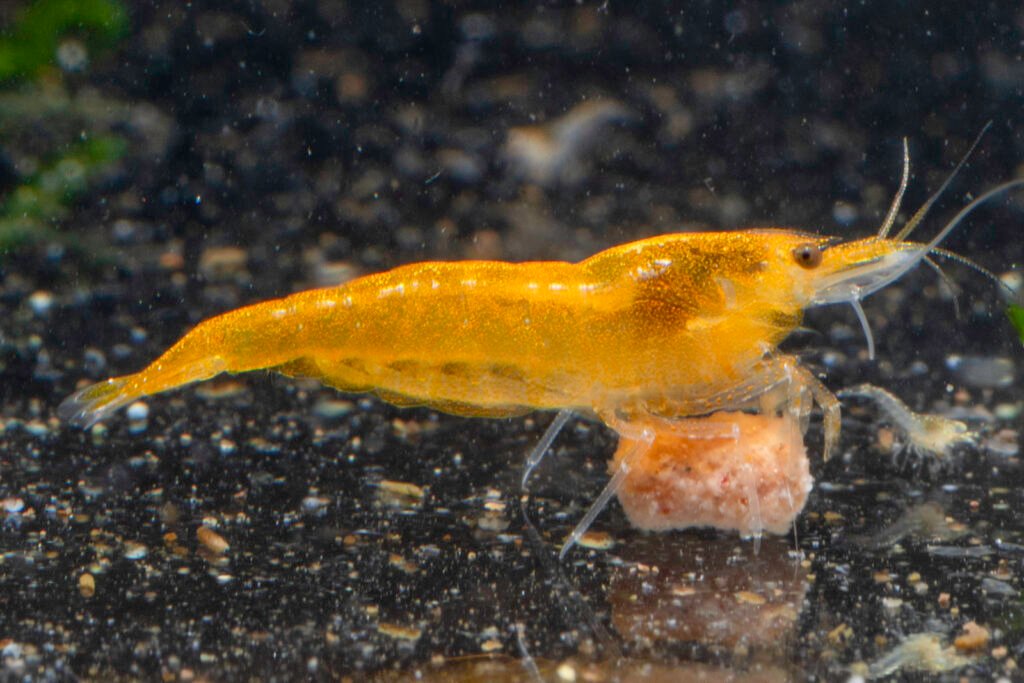
Getting your tank ready is only the first part of learning how to care for aquarium shrimp. Once settled, shrimp thrive on a varied diet of algae, biofilm and quality shrimp-specific food, fed sparingly to avoid fouling the water. Regular small water changes (10–15% weekly) help keep parameters stable long-term, and a well-planted tank gives shrimp places to graze and hide, especially after moulting when they’re at their most vulnerable.
Frequently Asked Questions
How long does it take to care for aquarium shrimp properly before adding them?
Plan for at least 4–6 weeks to fully cycle a new tank before shrimp arrive — rushing this is the single biggest cause of early losses.
What water parameters are best for aquarium shrimp?
Aim for 0ppm ammonia, 0ppm nitrite, a stable temperature of 20–26°C, and steady pH — consistency matters more than hitting an exact number.
Can aquarium shrimp live with fish?
Only with genuinely safe tankmates like otocinclus or nerite snails. Most community fish will eat shrimp, particularly babies, so a shrimp-only tank is the safest option.
What food do you recommend for aquarium shrimp?
We rate Hikari Tropical Mini Algae Wafers — a sinking wafer that holds together well and gives shrimp something to graze on over time without fouling the water.
